
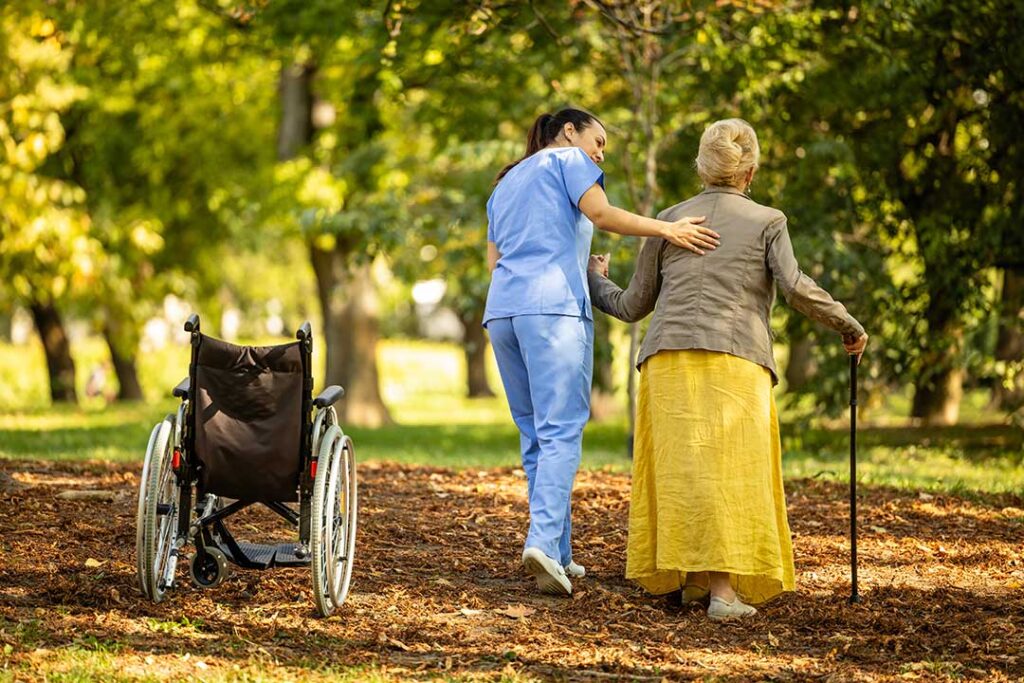
What Causes Loneliness in Assisted Living Homes?
Loneliness in assisted living often stems from a range of changes, including leaving a familiar home, adapting to new routines, or missing regular contact with friends and family. Local residents sometimes feel isolated if they have difficulty forming new social connections or if health issues limit their ability to participate in group activities.
For older adults in Millvale, the transition to shared housing and new neighbors may trigger stress or a sense of lost independence. Seasonal weather—such as long, gray winters common in western Pennsylvania—can also make it harder to get outside or see loved ones regularly, reinforcing feelings of isolation.
How Do Residents Recognize Loneliness in Daily Life?
Residents might notice loneliness as a sense of disconnection, sadness, or boredom that persists much of the day. Signs can include:
- Wanting more chances to talk with others
- Feeling left out during group gatherings
- Loss of interest in hobbies or meal times
- Sleeping more than usual or having trouble sleeping
- Worrying that visits or calls from family have decreased
These feelings are common. Sometimes, confusion between normal adjustment and deeper loneliness can delay getting meaningful support, so it helps to reflect honestly about emotions and changes in daily outlook.
What Local Residents Ask About Reducing Loneliness
The most common questions include:
- “How can I meet people I’ll genuinely connect with?”
- “Are there quiet ways to share time with others if I don’t like group activities?”
- “What can I do on difficult days when I feel left out?”
Building new connections at a comfortable pace is possible. Even small gestures—such as greeting the same neighbors at mealtime—can gradually build familiarity. Many area households also find that attending smaller, less formal gatherings (like puzzle tables or morning coffee meetups) provides a gentler way to get involved.
Can Everyday Routines Help Ease Loneliness?
Routine is powerful for comfort and connection. Simply getting out of a private room for meals or brief walks in shared hallways adds variety and can raise the chance of casual conversations.
Some practical, locally relevant strategies include:
- Taking advantage of natural light on clear days—windows or enclosed porches offer a glimpse of neighborhood life, even in cold weather
- Writing letters or making audio recordings for friends and family if regular visits aren’t possible
- Participating in seasonal group traditions, such as decorating communal spaces or sharing stories about favorite local events
- Watching favorite movies together in common rooms, especially during Pittsburgh’s colder months
Finding enjoyable daily anchors anchors a sense of belonging, even when deeper friendships take time to form.
What If Social Events Feel Overwhelming?
It’s common to feel uneasy about large or noisy gatherings, especially after a big move or health change. Residents shouldn’t pressure themselves to join every activity; instead, starting with what feels manageable usually leads to more comfort over time.

Options include:
- Introducing oneself to one or two people before group activities
- Joining smaller interest groups, like book clubs, crafting circles, or reminiscing sessions
- Asking about volunteer opportunities within the community—helping with mail, gardening, or event setup can provide gentle structure and regular contact
Staff and neighbors are usually happy to suggest quieter ways to get involved, and there’s no timeline for easing into group life.
How Do Family and Friends Play a Role?
Visits, phone calls, and letters remain deeply valuable. Sharing memories, local news, or familiar routines—like discussing a favorite team or TV show—helps maintain ties that reinforce a sense of belonging.
If family cannot visit regularly due to distance or busy schedules, arranging virtual visits or group phone chats offers an alternative. Friends and loved ones should know that consistency matters more than lengthy calls; short, regular conversations often do more good than occasional big events.
Are Technology and Hobbies Useful Tools?
Many residents find comfort in digital communication—video calls, text messages, and group chats all provide avenues for immediate connection. For those new to technology, asking peers or staff for basic guidance can help open new doors.
Personal interests—like knitting, crosswords, music, or birdwatching—also occupy the mind and create points of shared interest. Residents often discover that teaching or sharing a hobby is a pathway to new friendships.
Many area households find bringing a favorite book to a common room or attending TV show nights helps spark conversation. Local traditions or storytelling about life in Millvale often bridge the generational gap and encourage others to open up.
What are Common Misunderstandings About Loneliness in Assisted Living?
Some believe feeling lonely means they are not trying hard enough, but in reality, adjustment takes time and each person’s pace is different. Others worry about burdening staff or neighbors by admitting loneliness; in fact, many people in assisted living share similar feelings and benefit from open discussion.
Another misconception is that only those who are physically isolated are lonely. Residents surrounded by people can still feel left out if interactions feel shallow or forced. Focusing on genuine, low-pressure connections—whether through shared tasks, games, or regular chats—can lower emotional barriers.
When Is It Important to Seek Additional Support?
If persistent loneliness leads to withdrawal from daily activities, increased sadness, or changes in appetite and sleep, discussing these feelings with trusted individuals is a good first step. This might be a family member, long-term friend, or someone on the care team.
Some individuals benefit from support groups or occasional conversations with mental health counselors, which can help develop personal coping strategies. In Millvale, it’s common for friends, neighbors, or faith communities to offer a listening ear; accepting this support honors the local tradition of community care.
