

What Are Common Challenges for Seniors with Visual Impairments in Assisted Living?
Seniors with visual impairments often face daily obstacles that differ significantly from those of their peers with typical vision. In assisted living environments, these challenges can affect independence, safety, and social participation. Residents may struggle with navigation, recognizing faces, managing medications, or reading menus and schedules. Even familiar areas can feel disorienting if lighting, furniture, or wall features change.
Design and support in assisted living settings must account for changes in eyesight that can include cataracts, macular degeneration, glaucoma, or diabetic retinopathy. Each condition involves different symptoms — from blurry or missing vision to trouble with contrast or adjusting to changing light. Recognizing these individual needs is key for residents, staff, and families in Millvale, PA.
How Can Assisted Living Settings Improve Safety for Residents with Visual Impairments?
Simple environmental modifications can greatly reduce fall risk and foster a sense of security. Many hazards found in local assisted living apartments and community areas can be addressed with practical steps, such as:
- Consistent, glare-free lighting in hallways, bathrooms, and bedrooms; brighter, evenly distributed lighting helps residents see contrasts and avoid shadows.
- Non-slip, high-contrast floor surfaces that clearly distinguish between thresholds or steps; using colored tape or textured matting at elevation changes can help.
- Simplified room layouts with clear pathways, avoiding low furniture or decorative items that could lead to tripping.
- Well-marked emergency exits and accessible call systems, using both tactile (raised) and large-print signage.
Especially during winter months, when Millvale experiences overcast skies and shorter days, ensuring adequate indoor lighting is critical for resident well-being and mobility.
What Communication Tools and Aids are Helpful?
Communication can be a source of frustration for seniors with low vision, particularly when information is provided visually. Assisted living communities support residents by adopting:
- Large-print calendars, menus, and activity lists, with clear typeface and strong color contrast—easier for individuals who retain some vision.
- Audio formats for community announcements or schedules, and staff trained to read menus or flyers out loud if needed.
- Personal devices such as talking clocks or magnifiers, which allow for greater independence in daily routines.
Digital tools are increasingly common, but not everyone is comfortable with them. Personalized guidance from staff and peers can help residents make the best use of both traditional and technological supports.
What Role Does Orientation and Mobility Training Play?
Orientation and mobility (O&M) skills enable residents to safely and confidently move through shared spaces. Orientation refers to understanding where one is and how to get around; mobility involves the techniques and aids used for travel. In an assisted living environment, O&M might involve:
- Guided tours of the facility, repeated as needed or after significant changes, to help with memorization of distances and landmarks.
- Use of tactile floor indicators at doorways, stairways, or elevators; these can provide cues underfoot for direction or caution.
- Support with mobility devices, such as white canes or walkers tailored for low vision use.
Families and new residents benefit from learning these strategies together, especially for adapting to new seasonal risks, like icy outdoor walkways or wet floors near building entrances.
How Can Social Participation Be Supported?
Visual impairment can sometimes lead to isolation if residents feel discouraged from joining group activities or socializing. Assisted living settings in the community can counteract this by:
- Offering audio-described programs, book clubs, or music events where vision is not a barrier to participation.
- Training staff and volunteers to include and assist residents with visual impairments during group outings or crafts, making adaptations as needed.
- Encouraging peer support groups, where residents share coping tips and socialize in a comfortable, understanding setting.
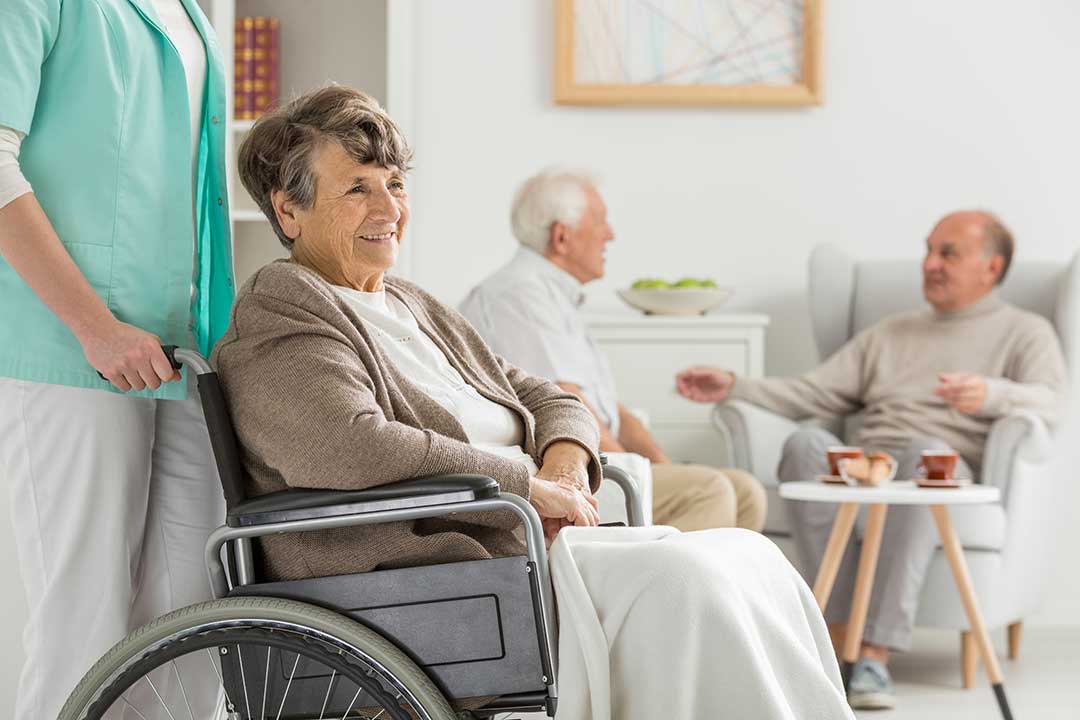
Seasonal factors, such as long winter nights or unpredictable weather, may require creative approaches—such as virtual gatherings or in-room radio events—to ensure everyone can participate safely.
Are There Local Considerations for Accessibility Adaptations?
Millvale’s climate, dense residential layout, and older building stock mean that accessibility for visually impaired seniors may sometimes require more attention to detail. For example:
- Outdoor walkways and driveways can become hazardous with ice, snow, or wet leaves, so non-slip surfaces and handrails must be regularly maintained.
- Historic architectural features like winding hallways or narrow staircases may limit options for large-print signage, requiring innovative approaches, such as floor-based navigation strips.
- Community center programs, especially those offered through local libraries or recreation centers, may provide low-vision resources, but residents should check accessibility features in advance.
Careful collaboration with building managers and family is essential to keep the environment both welcoming and safe throughout the year.
What Are Some Common Misconceptions?
It is easy to assume that one type of adaptation will work for every resident or that visual impairments always mean total blindness. In reality:
- Vision loss is rarely absolute; adaptations should be tailored to the degree and type of impairment.
- Not all helpful tools are expensive or high-tech—sometimes the simplest changes, like a different lamp placement or a talking alarm clock, make the largest difference.
- Adjustment to low vision can take time; emotional support and patience from neighbors, staff, and family members are as important as physical adaptations.
By asking questions and remaining open to feedback, assisted living residents and staff in Millvale can create environments where everyone feels comfortable and included.
