

How Does Assisted Living Encourage Seniors to Stay Active?
Assisted living settings are intentionally designed to help older adults remain as physically active as safely possible, even for those facing mobility challenges. Residents of Millvale, PA considering these communities often ask whether day-to-day life will limit their independence. In practice, supportive environments and tailored routines often help seniors move more, not less, making mobility a core aspect of daily living.
Facilities typically integrate movement into routines—encouraging walks to meals, offering group exercise, and supporting residents who use walkers or wheelchairs. The goal is to adapt to each individual's ability, reducing risks while preserving dignity and agency in movement.
What Features of Assisted Living Help Residents Move Safely?
From the design of living spaces to staffing protocols, a variety of features support senior mobility. In Millvale, older housing stock can limit maneuverability, but assisted living is generally built with accessibility in mind. Common features that enable safer movement include:
- Wide hallways and even flooring to accommodate mobility aids
- Grab bars and handrails in key locations like bathrooms and along corridors
- Minimal thresholds at doorways and entries
- Non-slip flooring materials
- Adjustable beds and chairs for easier transfers
Additionally, thoughtful layouts—like proximity between dining areas, recreation rooms, and personal suites—reduce walking distances for those with lower stamina. Seasonal adjustments, such as ensuring clear walkways during icy winter months, further contribute to safe movement.
How Are Staff Trained to Support Mobility in Assisted Living?
Staff in assisted living communities receive specialized training to assist residents with various mobility limitations. In Millvale, families often worry whether loved ones will lose independence or face injuries when moving around. Staff protocols help address these fears by:
- Learning proper transfer techniques for residents with limited mobility
- Using gait belts and assistive devices to reduce fall risk
- Monitoring for tripping hazards and promptly addressing them
- Encouraging residents to participate in daily physical activities suited to their abilities
A misconception is that more help means less independence; in reality, sensitive staff support usually helps residents retain—and even regain—confidence in their movement.
What Types of Physical Activities Are Offered?
Assisted living communities provide a wide range of group and individual activities to encourage movement. These are tailored to different interests and ability levels. Typical options include:
- Scheduled group exercise—seated stretching, chair yoga, light aerobics, and walking groups
- Balance and flexibility classes designed for older adults
- Supervised use of resistance bands or light weights
- Outdoor strolls in secure garden patios or walking paths
Seasonal changes are considered, with indoor spaces offering alternatives for movement when weather is poor. Activities are adjusted for physical limitations, and participation is typically voluntary to respect personal comfort.
Are Residents Encouraged to Move Throughout the Day?
Movement is promoted as part of ordinary daily routines rather than reserved for set exercise times alone. Examples include:
- Walking to communal dining areas rather than always relying on mobility carts or wheelchairs unless necessary
- Arranging small group activities like gardening or table games that involve some reaching or walking
- Inviting residents to take active roles in setting tables, watering plants, or tidying their own living spaces where possible
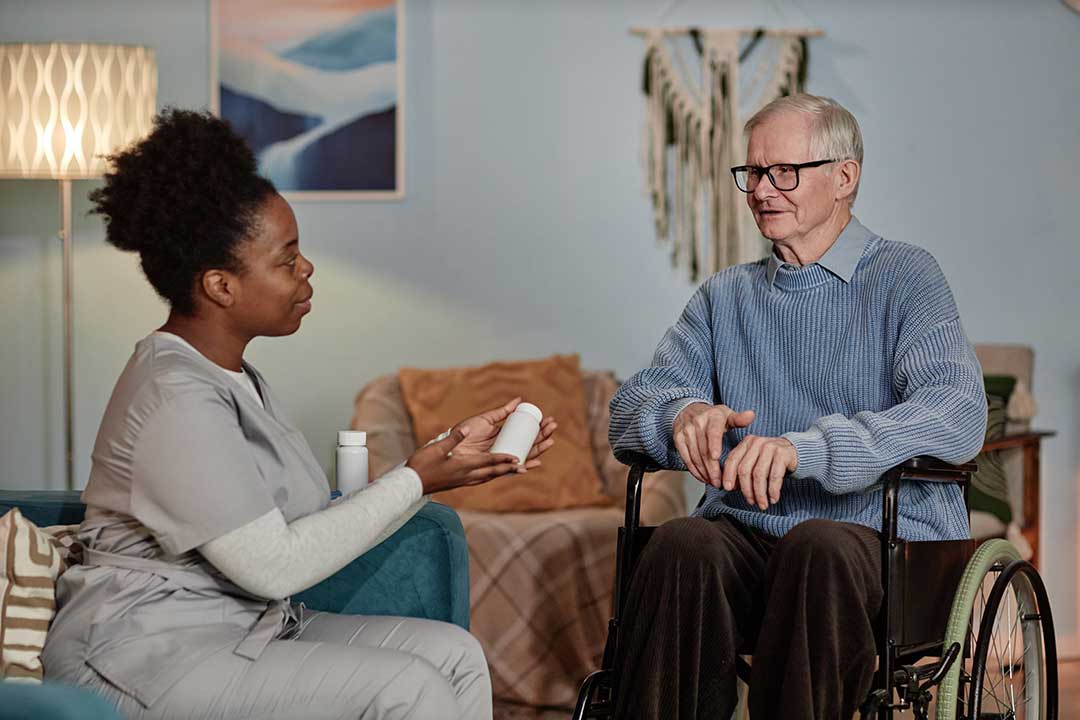
Subtle encouragement from staff—like walking alongside residents or offering gentle reminders—reinforces regular movement without making it feel burdensome.
How Do Personalized Mobility Plans Work?
Mobility isn’t a one-size-fits-all topic, especially for older adults managing conditions like arthritis or recovering from surgery. Personalized mobility plans are common in assisted living settings and often involve:
- Assessing each resident’s baseline mobility and medical considerations upon move-in
- Collaborating with physical therapists, when appropriate, to design activities for strengthening or rehabilitation
- Adjusting expectations and activity choices as residents’ needs change
Families in Millvale frequently ask about updates to these plans; it’s standard practice to revisit and update mobility goals periodically, ensuring that support matches each resident’s evolving needs.
Why Is Social Engagement Important for Mobility?
Social opportunities are closely connected to staying active. Group activities offer not just exercise, but motivation—many residents are more likely to move if friends are involved. In community settings, even casual movement—like joining coffee chats or attending events—accumulates over time, supporting better balance, strength, and mood.
Reduced isolation can itself promote better movement, challenging a common assumption that communal settings encourage inactivity. Staff often notice residents become more mobile when they have regular social reasons to keep moving.
What Should Families Look For When Evaluating Assisted Living Mobility Support?
When considering assisted living for a loved one, families in Millvale may want to observe:
- Are walking aids and wheelchairs stored conveniently and safely?
- Does staff offer gentle encouragement rather than taking over tasks unnecessarily?
- Are group activities meaningfully varied to meet different ability levels?
- Is the environment reviewed for hazards, especially in winter months?
- Do residents have access to outdoor areas when weather permits?
These environmental and cultural cues can indicate how seriously a community takes mobility preservation.
Are There Common Misconceptions About Mobility and Assisted Living?
A frequent misconception is that moving into an assisted setting will reduce a senior's independence or physical function. In reality, well-designed communities use comprehensive strategies to keep residents as active and engaged as possible. Practical support—without overprotectiveness—helps aging adults maintain physical capacity, confidence, and quality of life, even as their needs shift.
