
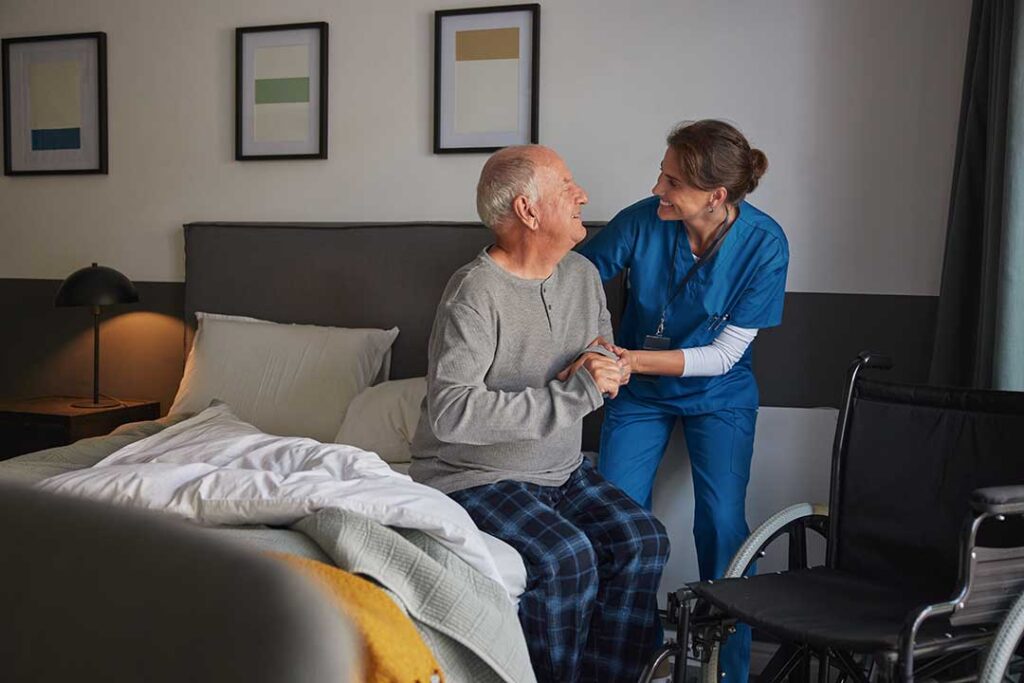
Dementia is a condition that affects many seniors in assisted living communities, including those in Millvale, Pennsylvania. Families and caregivers often wonder how to provide the best possible care and support for their loved ones facing memory loss, confusion, and other challenges. With the right strategies and a good understanding of the local lifestyle in Millvale, it’s possible to enhance the well-being and quality of life for seniors living with dementia.
Understanding Dementia in Assisted Living
Dementia is not a single disease but a collection of symptoms that can affect a person's memory, reasoning, and ability to communicate. Assisted living communities in Millvale—which is known for its tight-knit neighborhoods, local shops, and scenic spots along the Allegheny River—often blend personalized care with opportunities to participate in engaging community activities, which are particularly important for those living with dementia.
Recognizing the Signs of Dementia
Families and caregivers should be able to recognize common symptoms of dementia, such as:
- Memory loss that disrupts daily activities
- Difficulty completing familiar tasks
- Confusion about time and place
- Poor judgment
- Withdrawal from social activities
Early detection can open the door to timely interventions and improve the overall experience within an assisted living setting.
Building a Supportive Environment in Assisted Living
Creating an environment that feels safe and comfortable is one of the most important steps in supporting seniors with dementia in Millvale. Consider the following approaches:
- Personalize Living Spaces: Bring familiar items from home, such as photos of Millvale’s local landmarks like the Millvale Riverfront Park or cherished objects from St. Nicholas Croatian Catholic Church, to help residents feel anchored and calm.
- Routine and Structure: Establish daily routines involving meals, medications, and activities in a consistent order, as predictability can reduce anxiety and confusion.
- Safe & Accessible Spaces: Modify rooms and common areas to prevent falls and make it easy for residents to navigate—use clear signage, good lighting, and secure outdoor walking paths.
Encouraging Engagement with Millvale’s Local Flavor
Millvale’s unique local culture can play an important role in supporting seniors with dementia in assisted living communities:
- Community Outings: Safely organized walks or visits to nearby parks or bakeries, like the popular Jean-Marc Chatellier’s French Bakery, can stimulate senses and promote connection to familiar surroundings.
- Local Music and Art: Millvale’s artistic spirit can be infused into daily life through art therapy or music sessions featuring local musicians, offering soothing and memory-evoking experiences.
- Seasonal Events: Participating, even passively, in community celebrations or farmers’ markets—whether attending safely in person or decorating living spaces with local produce and crafts—can foster a sense of belonging.
Supporting Communication
Dementia impacts a senior’s ability to communicate, which can be frustrating for both the individual and caregivers. Here are some techniques that can help:
- Use simple sentences and a calm tone of voice.
- Make eye contact and speak slowly.
- Give residents plenty of time to respond.
- Use visual cues—like pointing to familiar places, such as the Allegheny River, or using photos of Millvale landmarks.
- Avoid correcting mistakes harshly—focus on validation and reassurance instead.
Promoting Physical and Cognitive Wellness
Seniors with dementia benefit from activities that stimulate both the body and the mind:
- Gentle Exercise: Participate in chair yoga, short guided walks along Millvale’s riverfront, or light stretching routines to maintain mobility and balance.
- Cognitive Activities: Engage residents in puzzles, memory games, or storytelling circles that might feature tales from Millvale’s history and culture.
- Therapeutic Hobbies: Gardening, painting, or listening to live folk music during Millvale days can bring joy and keep certain cognitive pathways active.
Involving Family and Community
Connecting with family and the broader Millvale community can enhance a resident’s sense of purpose and reduce isolation:
- Encourage regular visits or video calls with loved ones.
- Invite local volunteers for safe, supervised interactions.
- Involve families in care planning and keep them informed about residents’ preferences and needs.

Training and Supporting Care Staff
For families selecting an assisted living community in Millvale, ask about dementia care training among the staff. Well-trained caregivers are better equipped to:
- Manage challenging behaviors compassionately.
- Recognize and address health declines early.
- Foster a warm, respectful relationship with residents.
Support staff by:
- Providing ongoing education and respite opportunities.
- Recognizing their vital role within the senior care community.
Coping With Challenges
Caring for seniors with dementia is not without difficulties. Common issues might include wandering, agitation, or changes in appetite. Some practical tips:
- Use secure, enclosed outdoor areas to allow safe exploration.
- Offer soothing activities—such as listening to nature sounds from Millvale’s parks—to calm agitation.
- Provide food options familiar to Millvale—think local comfort foods—if loss of appetite is an issue.
Resources in Millvale, Pennsylvania
Families in Millvale have access to support resources, such as:
- Local dementia support groups for caregivers.
- Community wellness programs through Millvale’s borough offices.
- Health providers specializing in memory care based in Allegheny County.
Conclusion
Supporting seniors with dementia in assisted living—especially in a vibrant place like Millvale, Pennsylvania—means blending compassionate care, local culture, and personalized approaches. By fostering engagement, safety, routine, and connection to Millvale’s warm community spirit, families and caregivers can significantly improve quality of life for their loved ones facing dementia. Take advantage of the local amenities, incorporate familiar traditions, and reach out for support to navigate this journey with confidence and care.
